
'Turning Every Cycle into Greater Efficiency.'
Applications :
- Used for indexing and rotating workpieces during assembly operations.
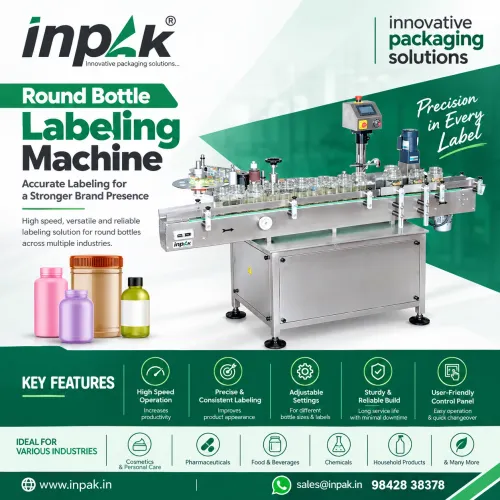
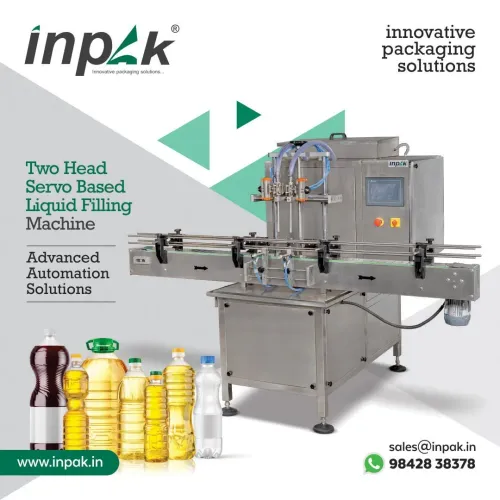
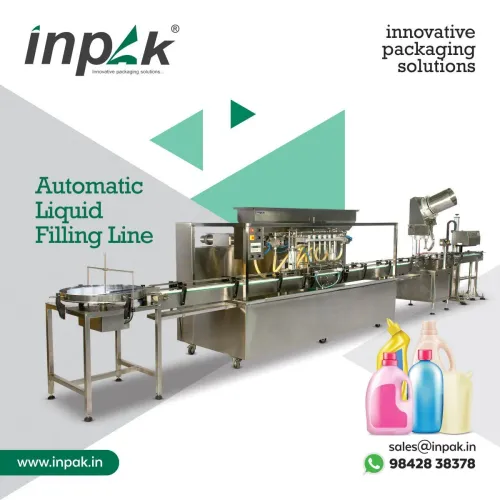
- Common in packaging, labeling, filling, and capping industries.
- Applied in welding, inspection, machining, and testing processes.
- Suitable for automated production lines to improve workflow.
- Widely used in automotive, electronics, pharmaceutical, and food industries.
Technical Specifications
- Heavy-duty steel frame with precision rotary table.
- Electric motor with gearbox or servo drive for accurate rotation.
- Rotation angles: 90°, 180°, 270°, or 360° (programmable in some models).
- Load capacity varies from light-duty to several hundred kilograms.
- Adjustable speed and indexing time.
- PLC-based control with sensors and emergency stop.
- Available in manual, semi-automatic, and fully automatic versions.
Advantages :
- Increases production efficiency and reduces cycle time.
- Provides accurate and repeatable positioning.
- Reduces manual handling and operator fatigue.
- Improves product quality through consistent operation.
- Saves floor space with a compact design.
- Easy integration with robotic and conveyor systems.
- Low maintenance and reliable performance.
Conclusion :
- A Rotary Turn Table Machine is an essential component in modern manufacturing and automation.
- Its precise indexing, high productivity, and ability to integrate with automated systems make it suitable for a wide range of industrial applications.
- By reducing labor requirements, improving accuracy, and enhancing production efficiency, it helps manufacturers achieve consistent quality, lower operating costs, and higher overall productivity.
Keywords